One-stop-shop for logistics-, reuse- and recycling services
Hydrovolt offers a comprehensive service offering to Nordic car importers and industrial companies in need of recycling solutions. Our sustainable recycling process extracts raw materials from waste batteries. This ensures a circular solution as secondary raw materials are reintroduced into the manufacturing of new batteries.
Collection
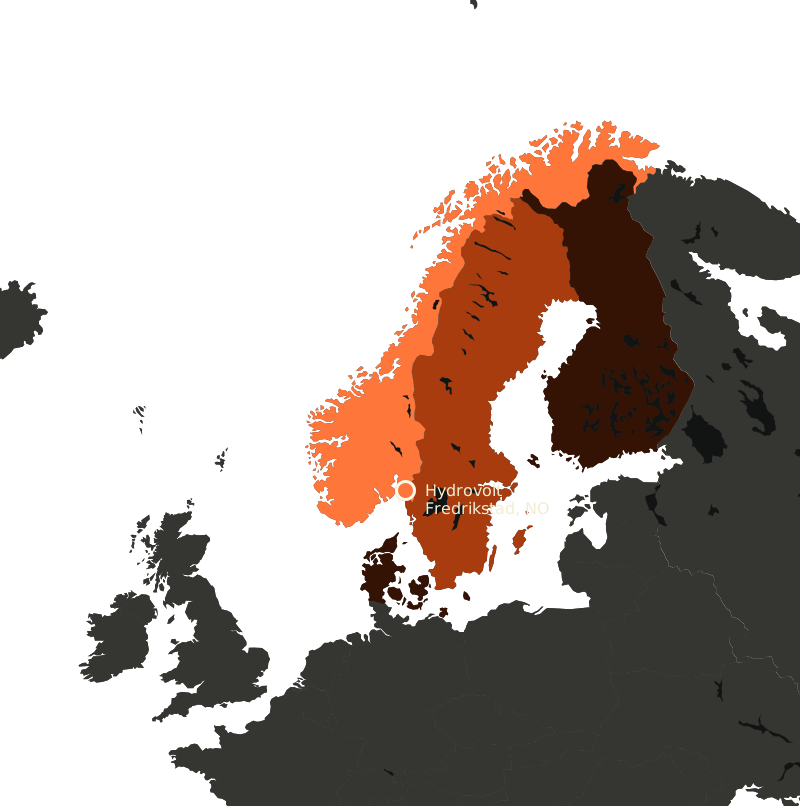
We have logistics solutions from collection points across the entire country, and collect batteries from electrical vehicles and industrial applications.
These batteries are usually end-of-life, industrial batteries, recalls or R&D, in which need to be recycled and transported safely to an approved treatment facility nearby.
We have reusable packaging for rent, specifically designed for transporting EV batteries and correctly labeled according to ADR regulations.
We offer a digital portal for call-off of batteries, in which is developed based on input from the industry. Here you can find an overview of your order, progress and chat function with our resources on logistics and battery expertise readily accessible to provide guidance on registration, packaging, and safe transportation.
Electric vehicle batteries
Other high-energy batteries
Re-use assessment
We offer assessment for reuse upon request from the importer for specific brands/models on both pack and module level. Reuse of batteries requires high competence and strong risk awareness on the part of the recipient/user.
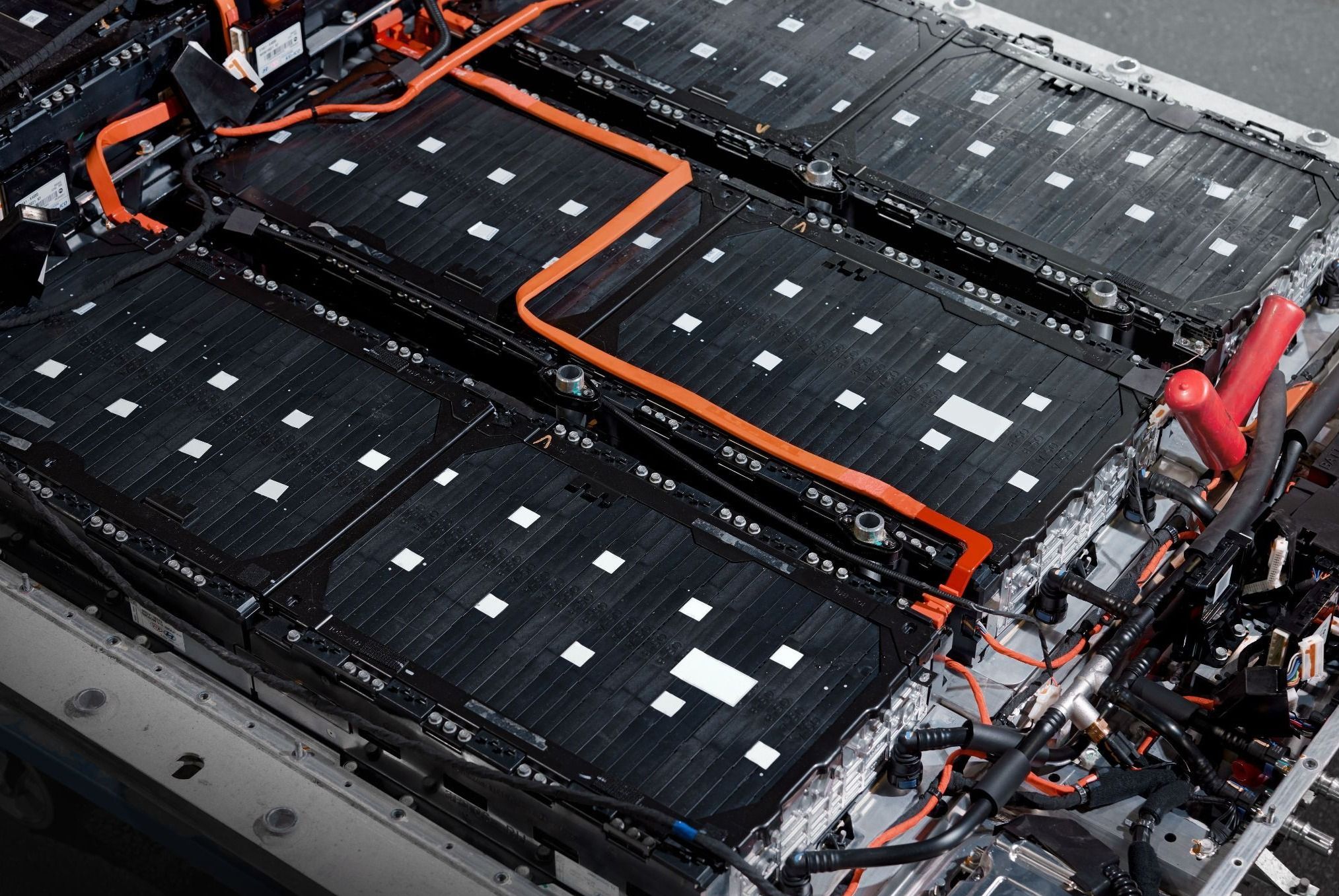
different battery types handled
total recycling rate
material recovery rate
fractions
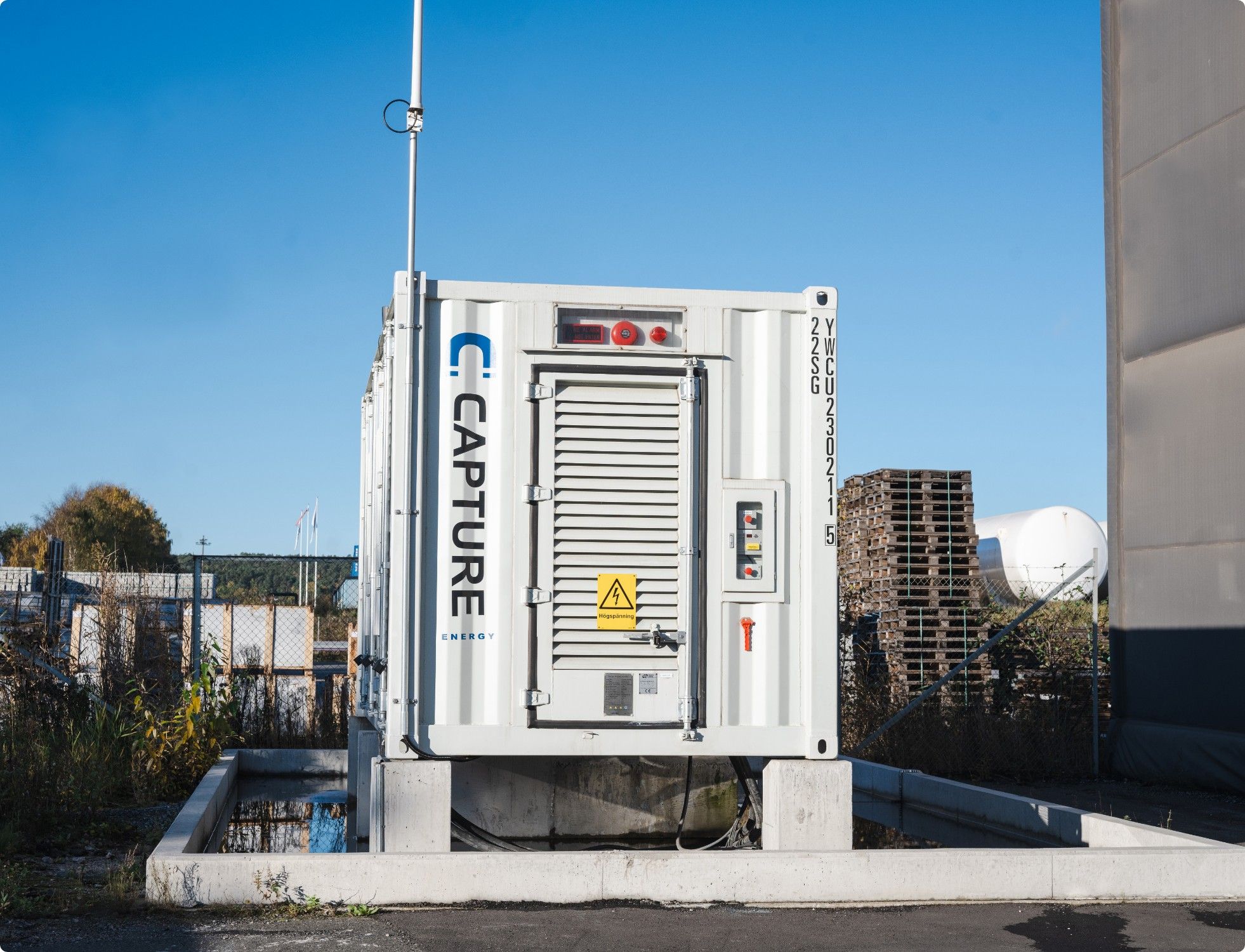
battery energy storage for residual energy from collected batteries
Recycling services

Diagnosis
The supplier of waste batteries must always provide a safety assessment, also referred to as a diagnosis, prior to transport to ensure that packaging can be carried out according to the battery’s condition and to ensure Hydrovolt is aware of the state of the material being delivered.
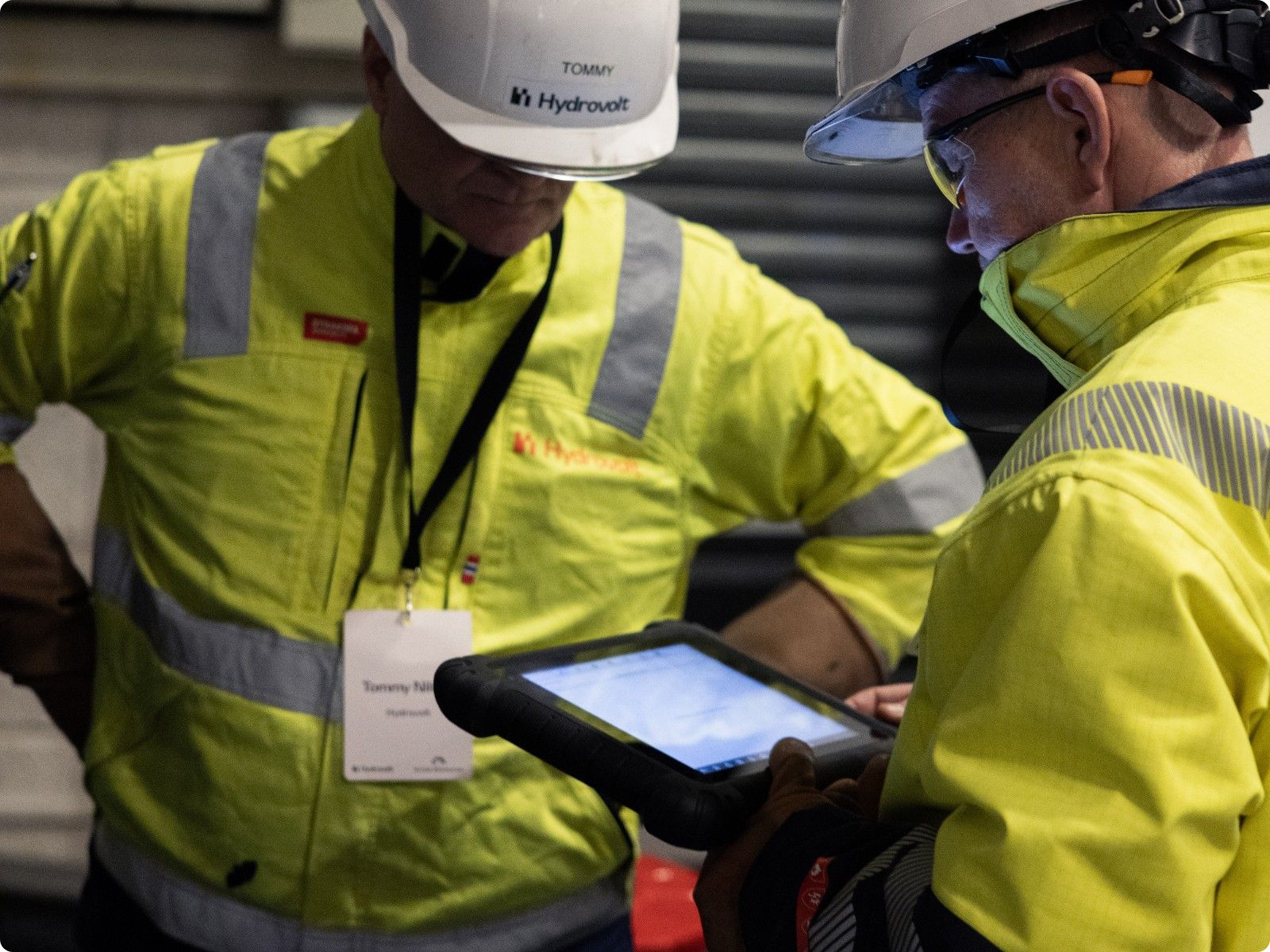
The first step upon receiving the battery at site is a new diagnosis to assess the battery’s condition, as the condition of a battery can change during transport. This is also a standard safety measure at Hydrovolt.
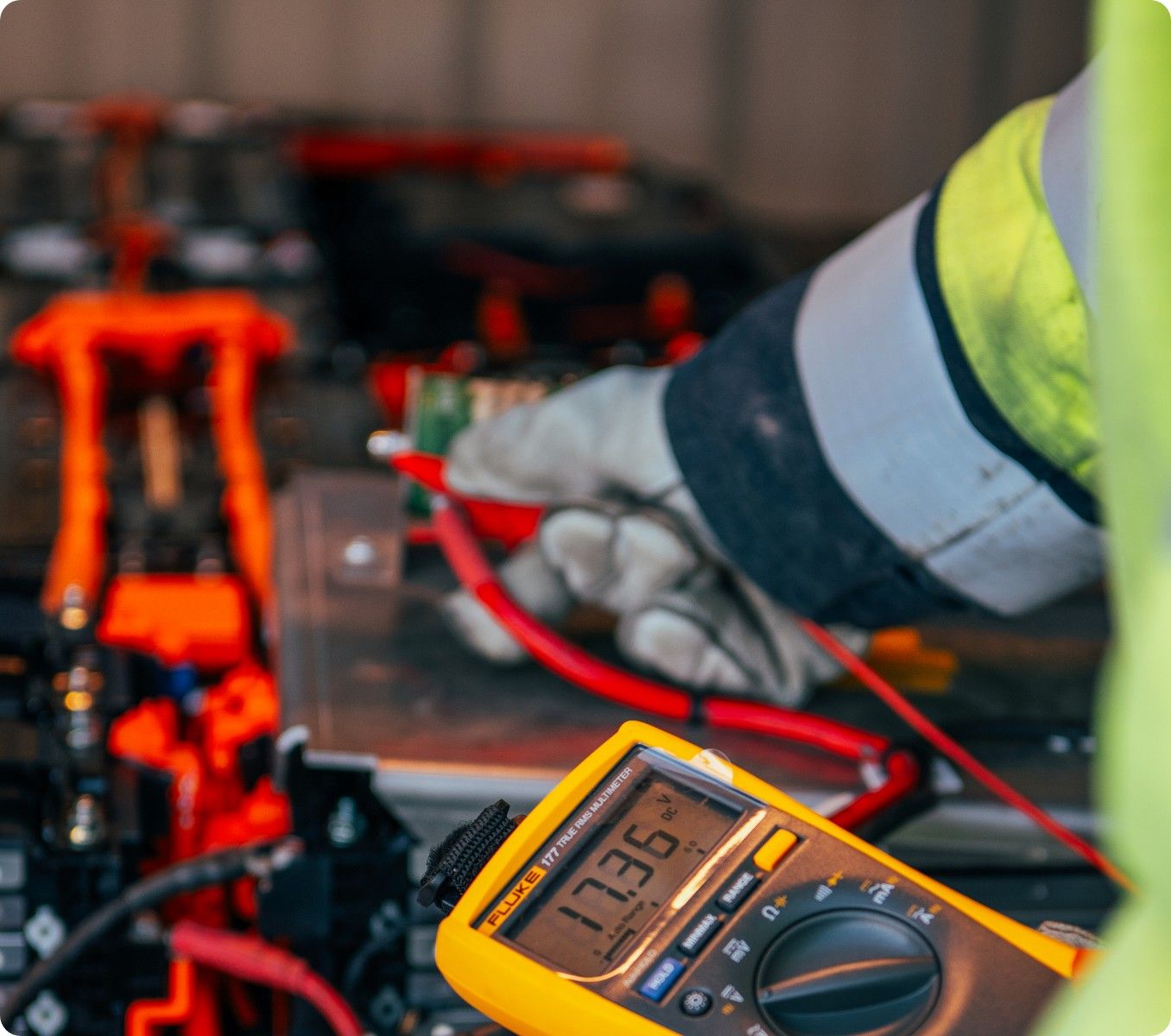
The battery is then classified based on a set of criteria. Our assessments include a visual inspection, reading the battery management system to determine the state of charge, and checking insulation properties. An infrared camera is used to continuously monitor for heat development in the battery and ensure an even temperature, so we can be confident that the battery is safe to handle further.

Discharging
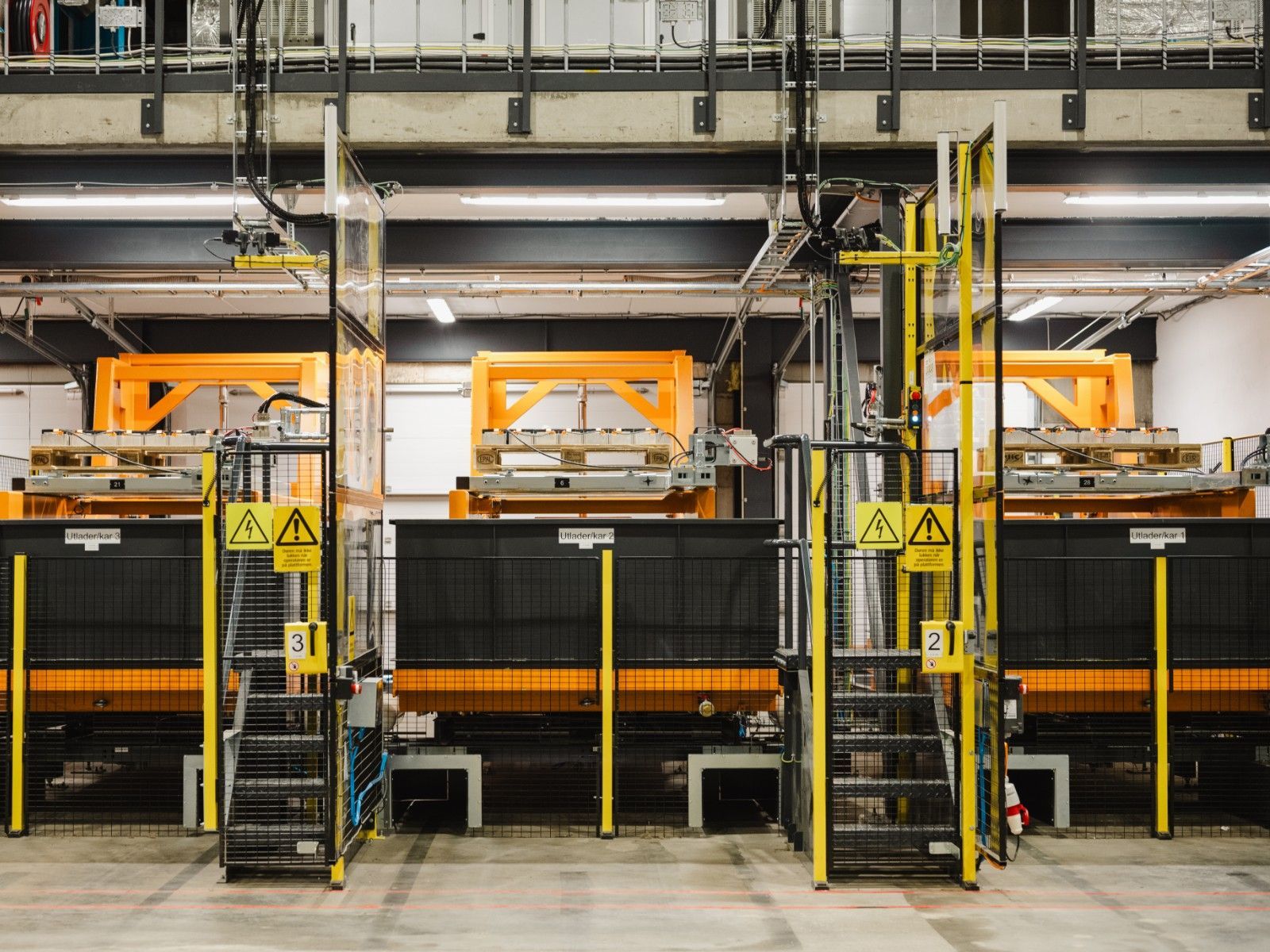
After diagnosis and preparation, the batteries are discharged to remove the residual energy. We discharge batteries at pack level, but can also discharge at module and cell level. Our discharge process takes place in two stages to ensure that the battery does not have any energy left and is safe to handle for the next steps in the process.
The second discharge step is the deep discharge. The deep discharge is performed using resistors, to ensure that the battery is at O.O voltage as the batteries may have a small voltage increase upon disconnection from the battery load unit due to the recovery effect. This step is therefore a must follow.


Dismantling
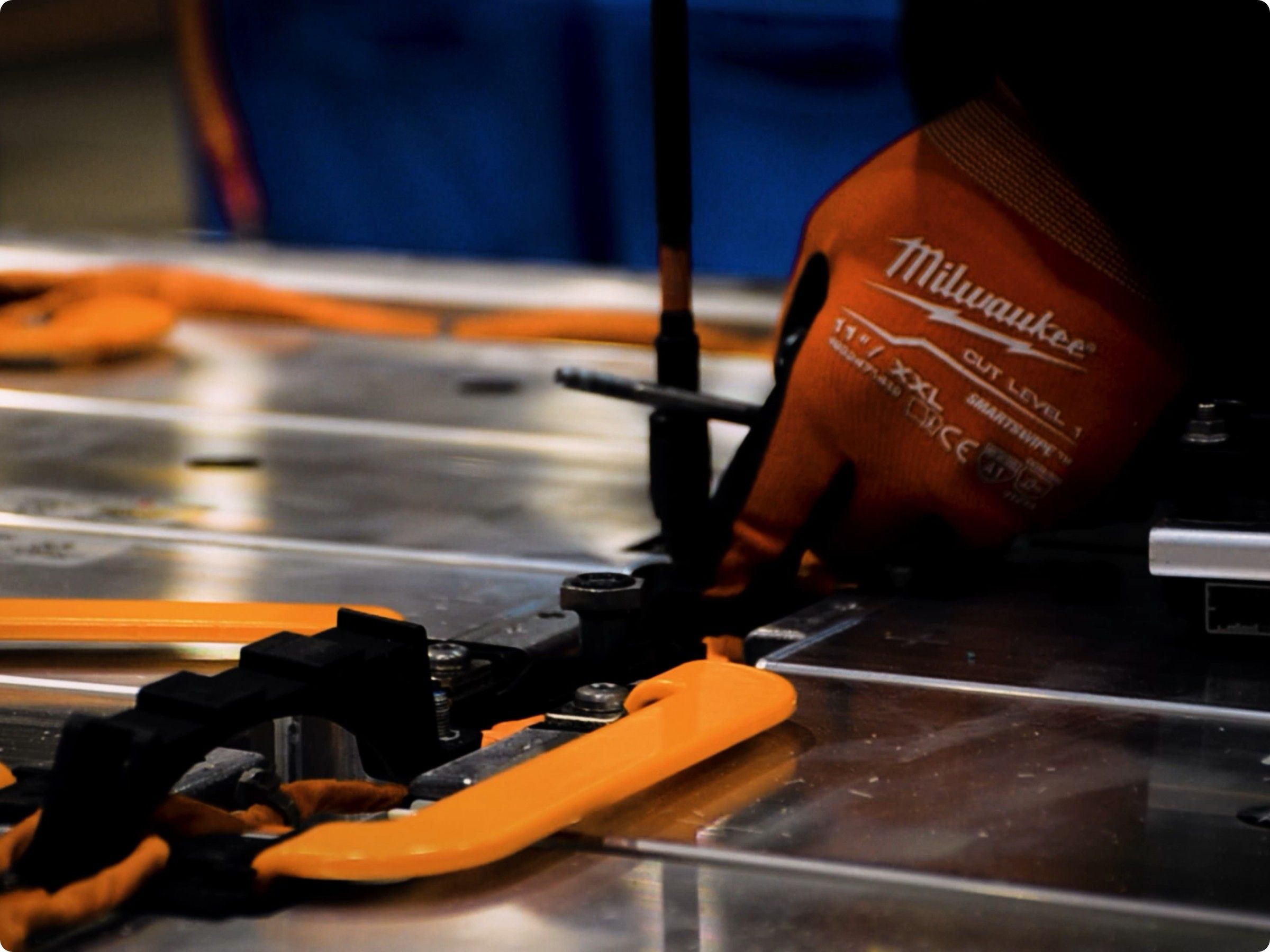
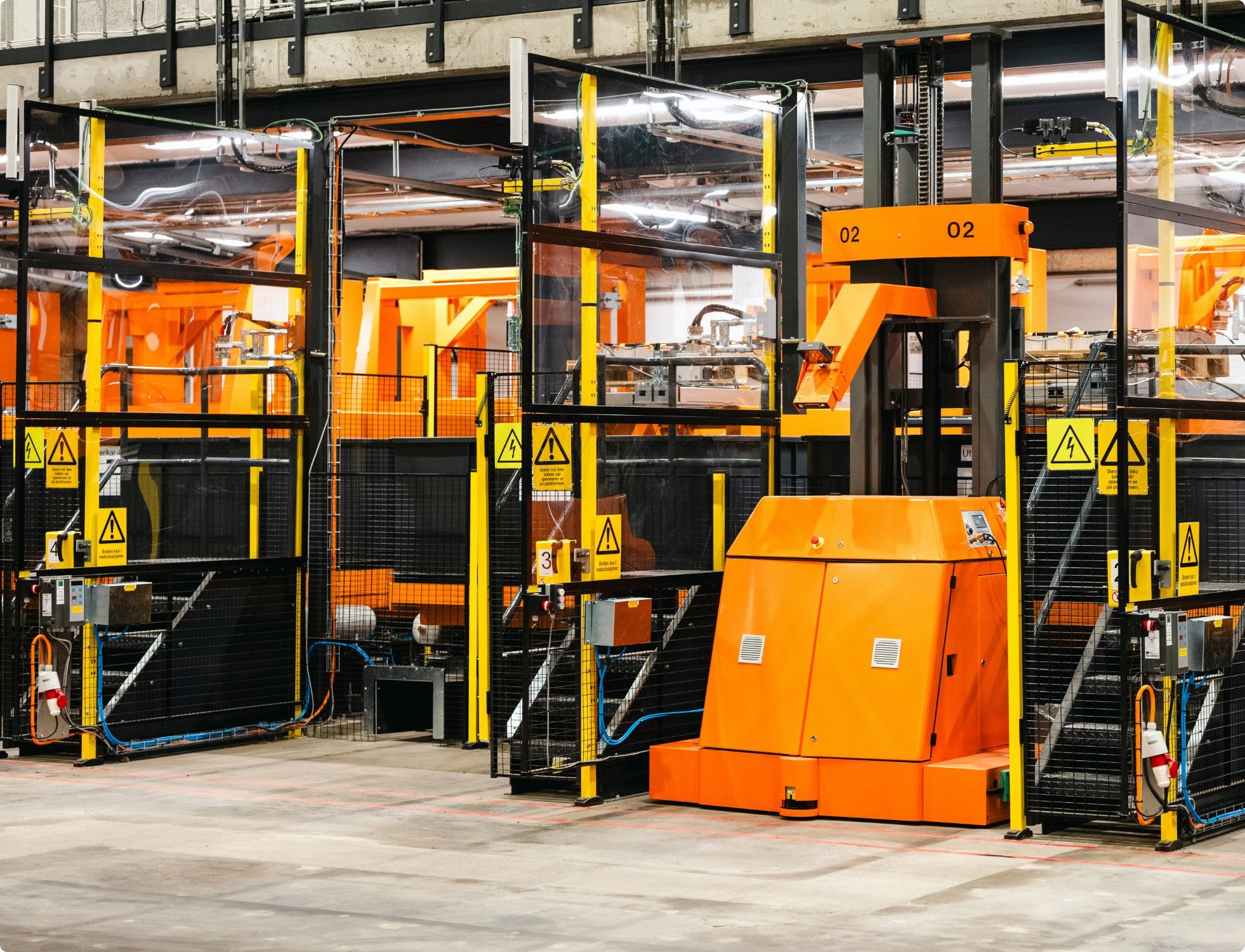
After the discharge step, the battery pack is considered safe to dismantle and transported with the AGV to the dismantling stations. Dismantling is performed manually using power assisted tools, and all components such as cable harnesses, frames, plastics, fasteners are also removed and collected in separated containers for recycling. Battery modules are now clean and ready to be transported for crushing and sorting.
When new battery types arrive at Hydrovolt, we aim to understand them as thoroughly as possible, both in terms of their physical and chemical properties. This is to ensure a safe and efficient recycling process.
That’s why we have established a test center to ensure the most efficient methodology for how the battery pack should be discharged and dismantled.
In addition, we dismantle battery cells in a glove box, followed by chemical analyses to gain a better understanding of the materials contained in the cell. This information is used to optimize the crushing and sorting process.


Crushing & sorting
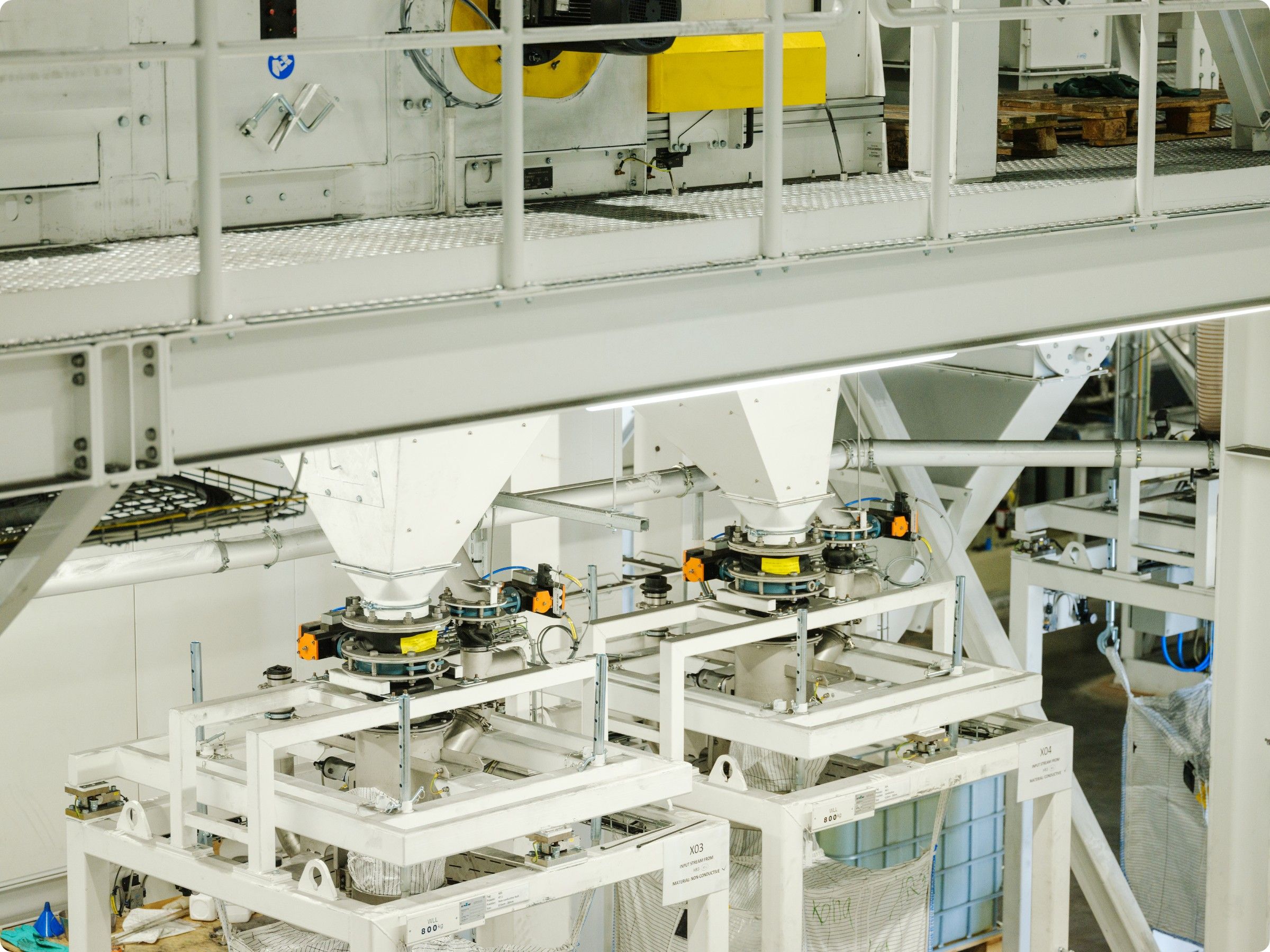
From the infeed lock, battery modules are fed into the first crusher and the material is further processed to the second crusher. Both crushers are constantly flushed with inert nitrogen gas during operation to avoid fire. From the crushing stage, the crushed battery material is transported to the drying stage to separate solid materials from liquids.
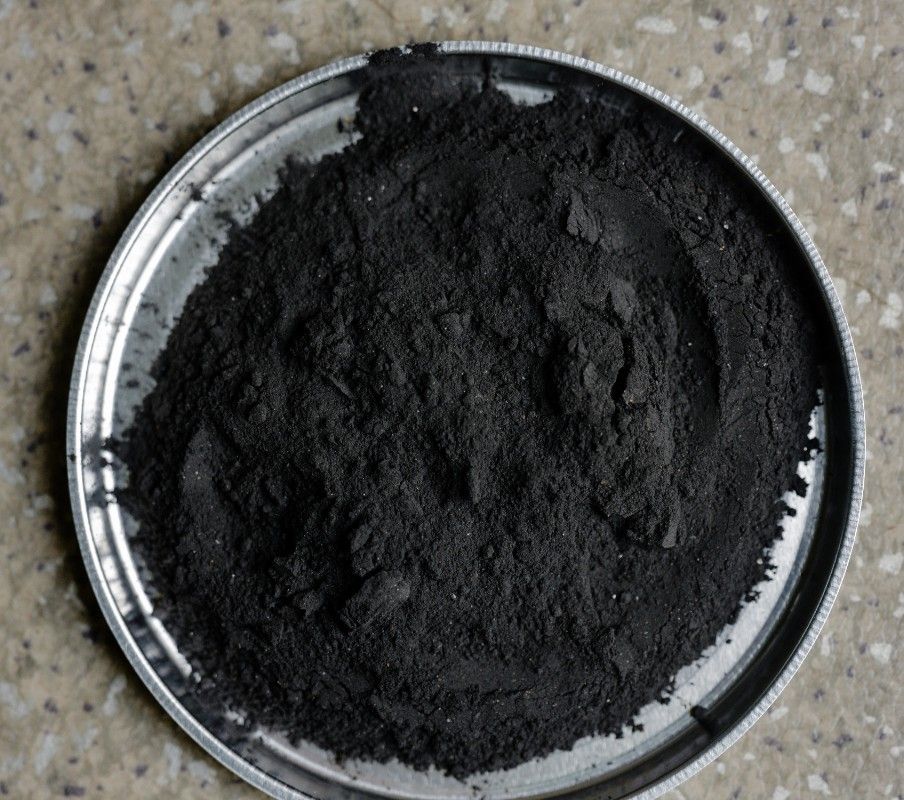
The solid fraction is sorted by various mechanisms and at the end of the sorting stage, a number of material fractions can be collected.


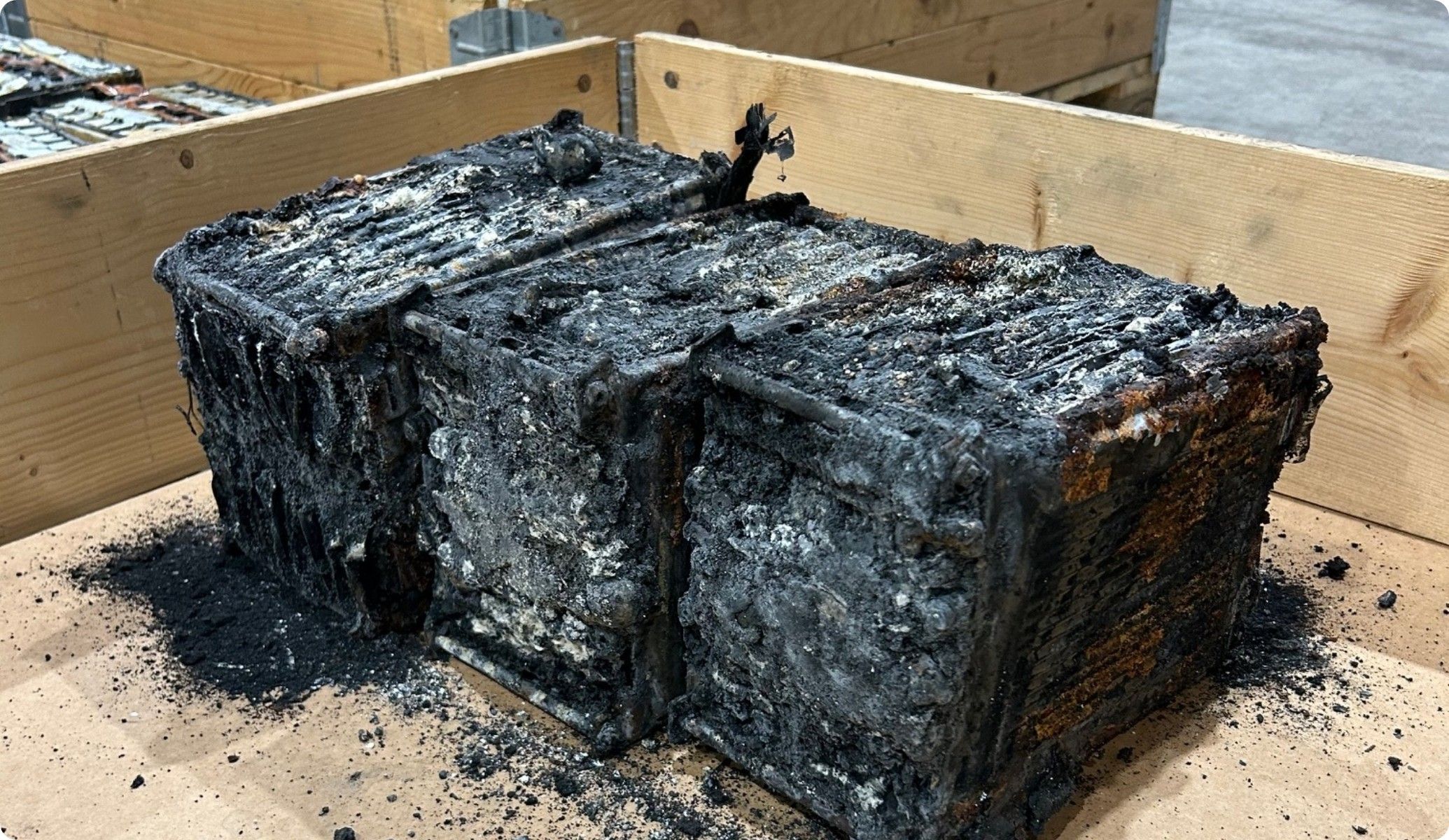
Burnt and damaged batteries
If an electric vehicle is damaged, the battery may also be damaged. When handling all high-energy batteries, there is a risk of fire and exposure to electric current. For damaged batteries, this risk is higher, and it is therefore important to have effective, safe, and environmentally sound handling solutions. The degree of damage affects the method and cost of handling.

Electric vehicle batteries

Other high-energy batteries